
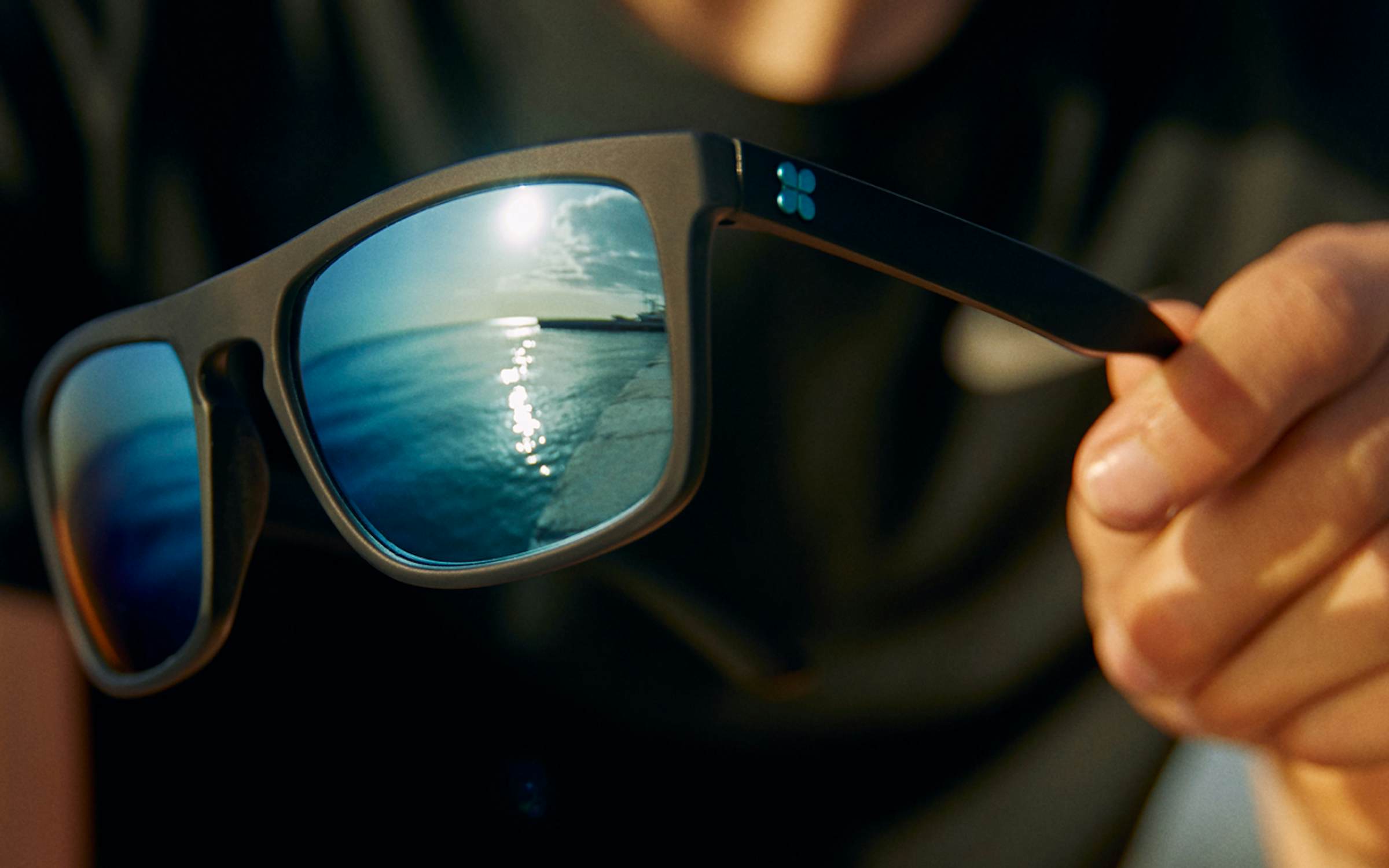
Polarisation is a term that's thrown around in the sunglasses market all the time. But do you really know what it means, and why it matters? We asked the SunGod Community, and it turns out lots of you knew that polarisation was important - but when it came to understanding what polarised lenses actually do, and when they're the right choice, you weren't so sure.
So, we’ve put together our guide to polarised sunglasses, to explain how polarisation works, when it matters, and why you should consider polarised lenses for your next pair of sunglasses.
Table of Contents:
What Are Polarised Sunglasses?
Polarised sunglasses are a type of protective eyewear that features polarised lenses. They feature a specific type of lens designed to cut out the glare that comes from light reflecting off a flat surface, such as a wet road or the surface of the ocean, causing discomfort and eye strain.
Usually, light will reach your eye from varying directions. But when light bounces off a flat surface, it's often reflected at one single angle. This can cause a bright glare, which is both uncomfortable and dangerous. This glare is what polarised lenses, also known as anti-glare lenses, intend to tackle.
Polarisation, is not the only feature to be mindful of when picking lenses. We also offer 8KO® lens technology across our sunglasses range including our performance range. This refers to our premium, 2mm nylon lens material that's tougher, clearer and lighter than Standard polycarbonate lenses.
When designing your polarised sunglasses at www.sungod.co, simply choose "Polarised" or "8KO® Polarised" once you've decided on your design. Our team will then build your sunglasses by hand, adding your chosen lens technology to your pair.
How Do Polarised Lenses Work?
Light naturally travels in waves, scattering in multiple directions. When it bounces off a flat surface — like a wet road or the open water — it becomes "horizontally polarised", meaning it aligns in a single plane and intensifies into uncomfortable glare. A polarised lens counters this with a vertical chemical filter that works like a venetian blind, blocking that horizontal light before it reaches your eye. The result is a noticeably clearer view and far less eye strain on bright, sunny days.
It's also worth noting that polarisation is completely independent of lens tint. Whether you prefer a light rose tint or a deep smoke, a mirrored finish or a subtle colour, polarised lenses are available across the full range — so you never have to compromise on style to get the visual benefits.

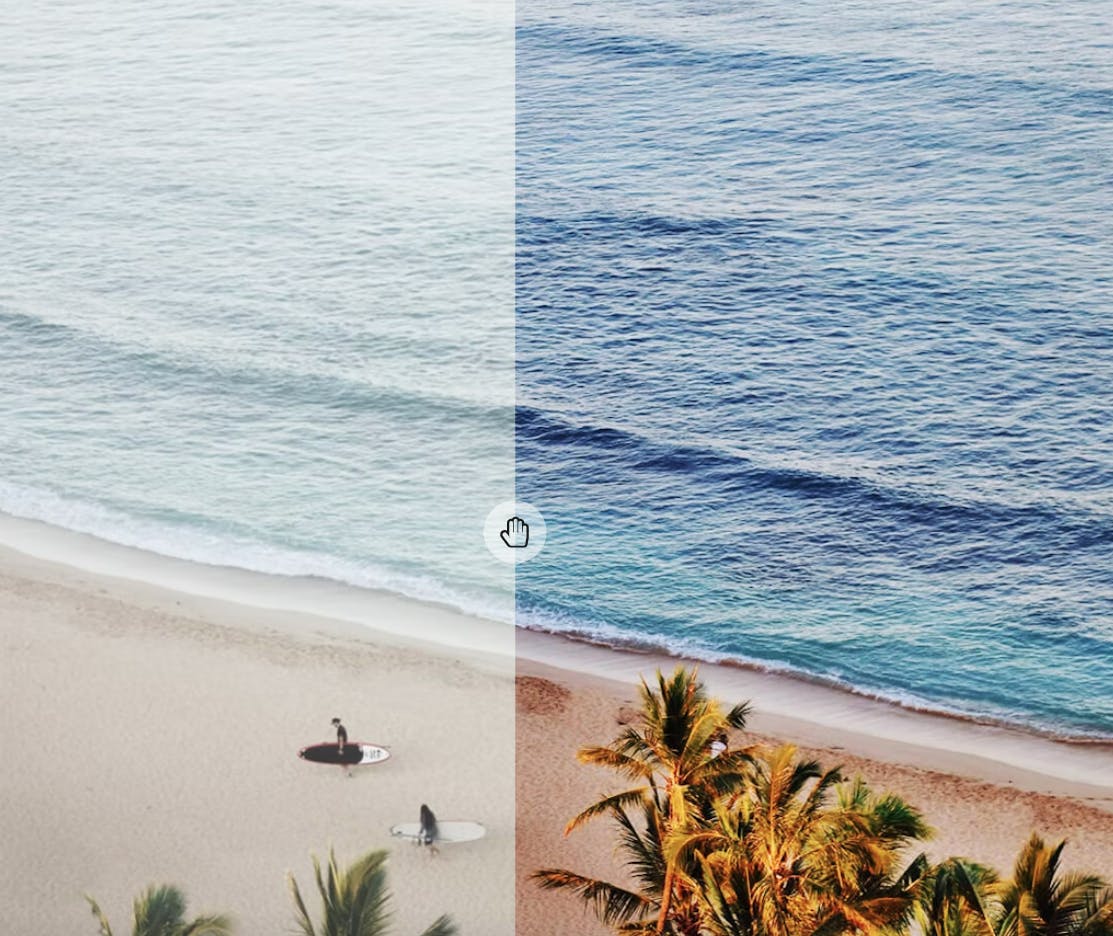
Polarised vs Non-polarised: What's the difference?
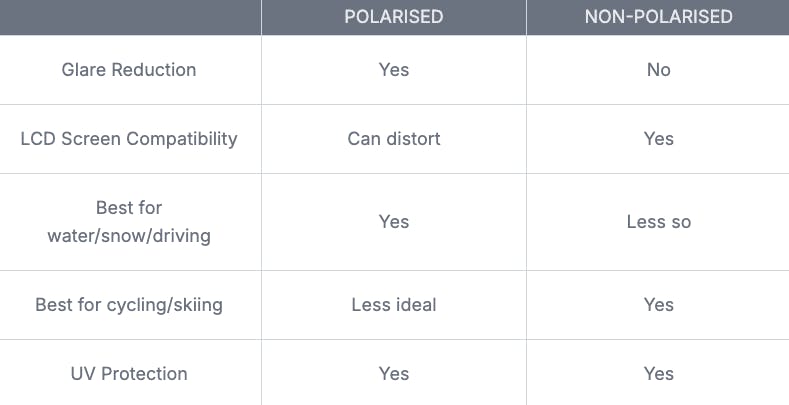
We have an entire article devoted to this topic, for a deeper read click here.
In short some big differences are:

Upgrade to Polarised Sunglasses with SunGod
At SunGod, we know that your eyes are unique, and your sunglasses should be as unique as you are. So, all our lifestyle sunglasses are available with or without polarised lenses (apart from some Limited Edition sunglasses), letting you choose the lens that's right for you.
We also offer 8KO® lens technology across our sunglasses range. This refers to our premium, 2mm nylon lens material that's tougher, clearer and lighter than Standard polycarbonate lenses.
When designing your polarised sunglasses at www.sungod.co, simply choose "Polarised" or "8KO® Polarised" once you've decided on your design. Our team will then build your sunglasses by hand, adding your chosen lens technology to your pair.
All our polarised sunglasses also offer 100% UVA and UVB protection to keep your eyes safe from solar damage, as well as offering triple-layer scratch-resistant coatings and a Lifetime Guarantee.
Are Polarised Sunglasses Best for Every Sport?
Whether you're a professional athlete or a keen amateur, your sports sunglasses need to help enhance your game.
Polarised lenses can help you see better in most sports, and if you're looking for fishing sunglasses, golf sunglasses, or watersports sunglasses, polarised lenses are almost definitely the right choice for you.
This is how they can help:
Fishing - polarised lenses cut water surface glare, letting you see better beneath the surface
Running - polarised lenses can reduce eye fatigue on long road runs with harsh sun
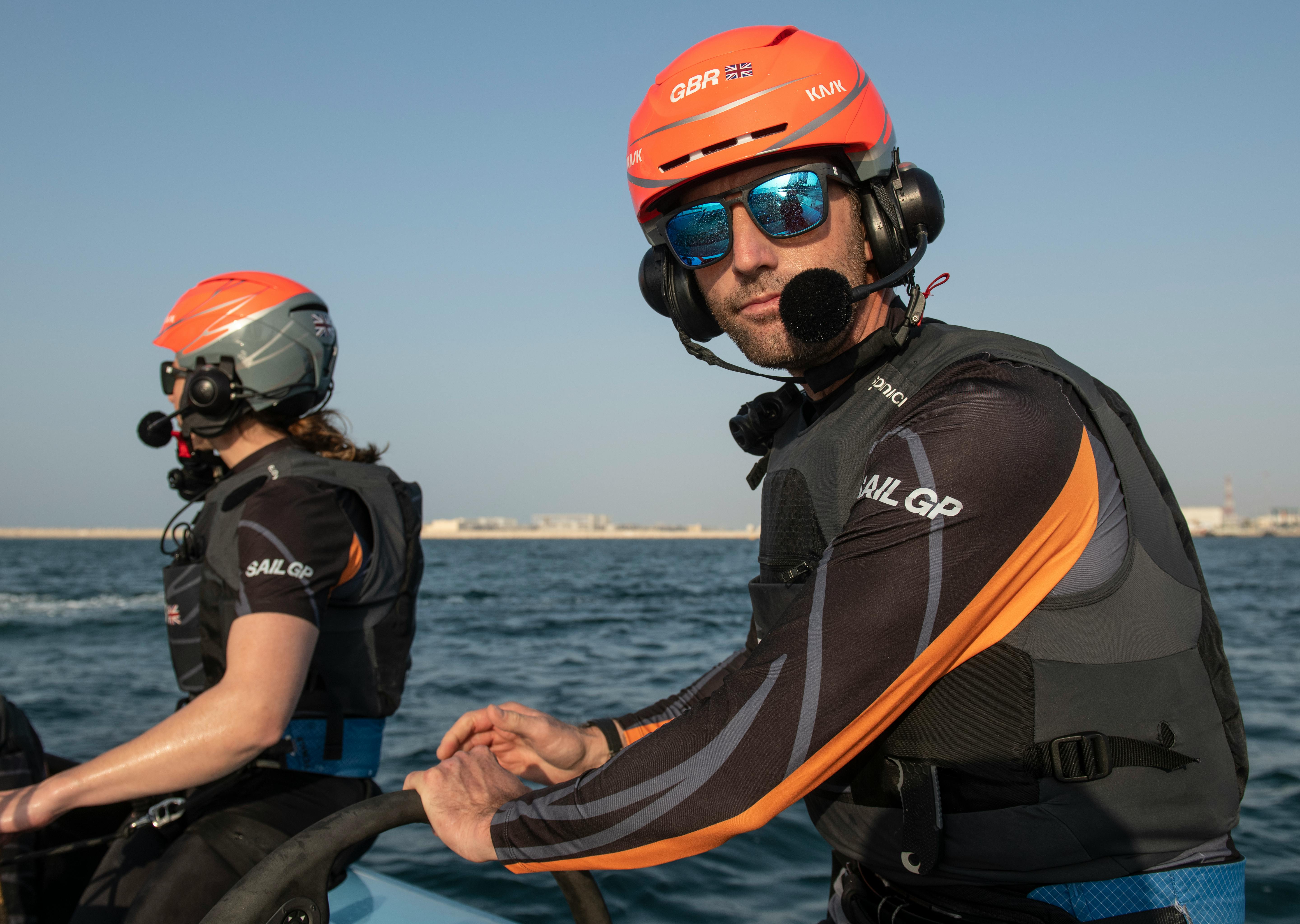
Sailing - polarised lenses are useful for glare reduction, but always factor in how they view LCD screens that use may need to use
Driving - similarly to sailing, useful for glare reduction but they can interfere with LCD screens and in-car displays
Cricket and baseball - great for tracking a ball against the sky which polarised lenses can help with
However, there are a few sports where we recommend non-polarised lenses instead. These include snowsports and cycling. In these sports, it's really important to be able to see small variations in the snow or road surface, and the anti-glare filter in polarised lenses can make this harder. So, all our cycling sunglasses and ski goggles feature non-polarised lenses as standard. We also recommend non-polarised lenses anywhere you need to see an LCD screen - this could mean sailing or driving, depending on your boat or car display.
Polarised lenses are also not recommended for golfing, though they can help against glare and reduce eye fatigue in the sun, the polarised lenses also flatten your vision, which may distort your depth perception including when trying to read the green.
If you're looking for a premium lens but don't want polarisation, we recommend choosing our non-polarised 8KO® lenses instead. These feature our market-leading 8KO® Nylon lens technology, with enhanced clarity and toughness, just without the polarisation filter.

Do Polarised Lenses Protect You From UV?
Not all sunglasses will protect your eyes from UV rays. Cheap sunglasses often just offer a dark filter without UV protection, which can cause your iris to open and become vulnerable to UV damage. To be sure your sunglasses are certified UV protective, look for the CE or UKCA mark on the product (UK & Europe only).
Even if your sunglasses do protect from UV, that doesn't necessarily mean they're polarised. Polarisation is an additional feature in some sunglasses, and if you're after polarised sunglasses, you should double check that your sunglasses are labelled as such.
Eye Health
Polarised glasses can be a great option for those with photophobia or other similar light sensitivity conditions. Polarisation often reduces your need to squint which in turn reduces fatigue on the eyes, which is great for long term eye health.
How to Tell If Your Lenses Are Polarised
The easiest way to test if your sunglasses are polarised, is to test your sunglasses against a pair you know are definitely polarised. If you place the lenses over each other, one horizontal, one vertical, and the result is that the lenses combined go very dark - almost black - then they are both polarised. This is because the two horizontal filters are cancelling out the light at perpendicular angles.


Our Mission to Help You See Better
At SunGod, all of our sunglasses are designed to level up your view, no matter where or when you wear them. Hear the stories of our Team SunGod athletes who test our eyewear at the highest level - from ultramarathons, to the Olympics, to the Tour de France - helping us constantly improve our sunglasses. Whether you're after ski goggles, cycling sunglasses or running sunglasses, all our eyewear is both athlete-tested, and comes with a Lifetime Guarantee - to keep your gear in play for longer.