


Whether you're choosing your next pair of performance sunglasses or simply trying to make sense of the spec sheet, understanding the difference between polarized vs non-polarized sunglasses is a decision worth getting right. Both lens types reduce the amount of light entering your eyes — but how they do it, and what that means in the real world, varies significantly. From glare reduction on open water to sharper contrast on the slopes, polarized lenses offer a level of visual performance that their non-polarized counterparts simply can't match. This guide breaks down everything you need to know to choose with confidence.
Table of Contents
What Are Polarized Sunglasses?
What Are Non-Polarized Sunglasses?
Differences Between Polarized & Non-Polarized Lenses
When Should You Wear Polarized vs. Non-Polarized?
Does Polarization Mean UV Protection?
What Are Polarized Sunglasses?
Polarized sunglasses are lenses treated with a special chemical filter that blocks horizontally oriented light waves — the primary cause of glare. When sunlight reflects off a flat surface like water, tarmac, or snow, the reflected light becomes concentrated in horizontal waves. A polarized lens intercepts and absorbs those waves before they reach your eye, resulting in a dramatically cleaner, clearer visual experience.
How polarized lenses work:
Light travels in all directions — but when it reflects off flat surfaces, it vibrates in a dominant horizontal plane
Polarized lenses contain vertically aligned molecules that act as a filter, blocking horizontal light waves
The result: glare is eliminated at the source, not just dimmed
Colours appear more vivid, contrast improves, and eye strain reduces significantly
The effect is most noticeable near water, on roads, and in snow-covered environments


What Are Non-Polarized Sunglasses?
Non-polarized sunglasses use tinted lenses to reduce the overall amount of light reaching the eye — but without the selective filtering that characterises polarized lenses. They make things look darker, which helps in bright conditions, but they don't distinguish between useful light and disruptive glare. The result is reduced brightness across the board, rather than targeted glare elimination.
Non-polarized lenses are a cost-effective option for lower-glare environments or indoor use, but in high-reflection conditions — think open water, wet roads, or open snowfields — they leave a significant amount of visual noise unaddressed.

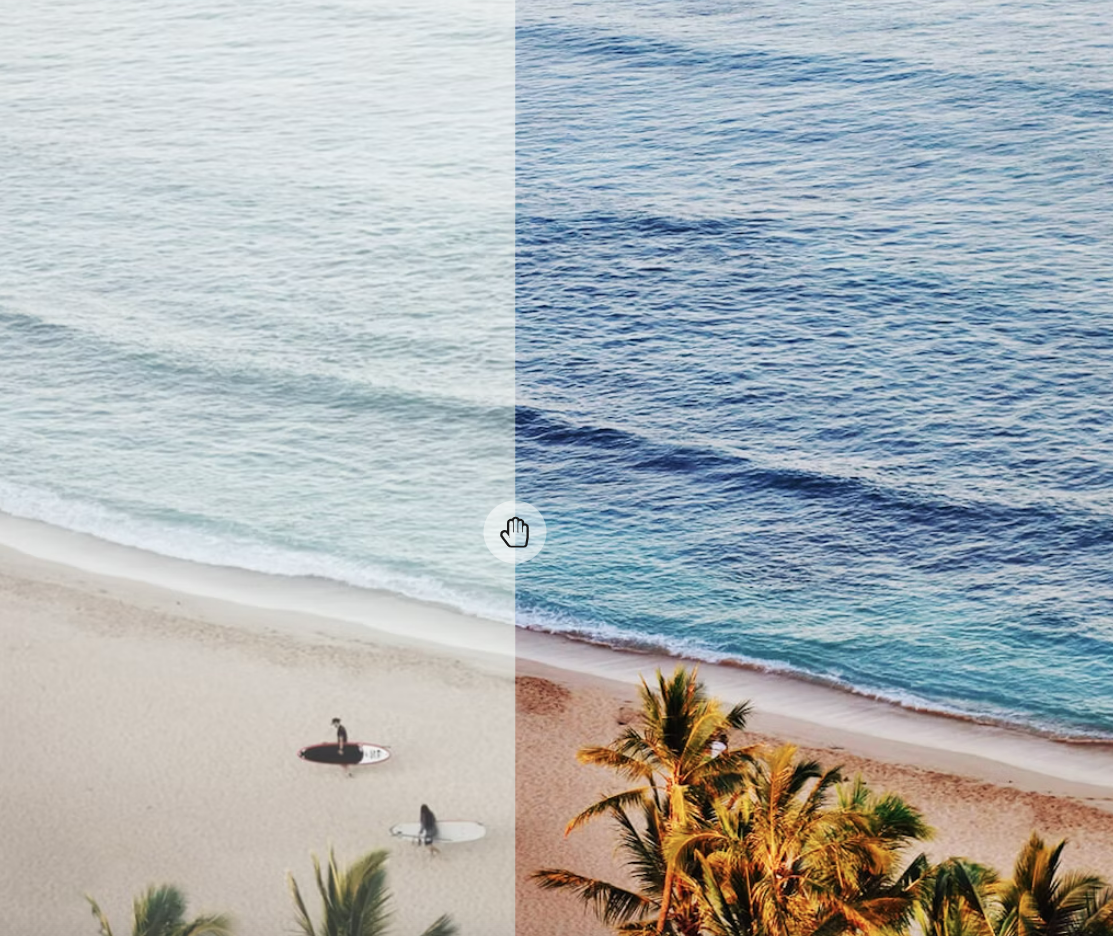
Differences Between Polarized & Non-Polarized Lenses
Glare Reduction
This is the defining difference. Polarized lenses block the horizontally reflected light that creates glare on wet roads, open water, and snow. Non-polarized lenses simply darken your field of view — which can actually make intense glare harder to manage, not easier.
Visual Clarity & Contrast
Because polarized lenses strip out the disruptive horizontal light frequencies, what remains is cleaner, more natural light. Colours appear truer, edges sharper, and depth perception improves — particularly beneficial in fast-moving sport environments where reading terrain quickly matters.
Eye Strain
Squinting against persistent glare is a significant contributor to eye fatigue. By eliminating the source of that glare, polarized lenses allow the eye to relax into a more natural viewing state — reducing fatigue on long days outdoors. Studies published in journals like Optometry and Vision Science have highlighted the measurable benefits of polarization for prolonged outdoor activity.
UV Protection — A Note
It's worth clarifying here: UV protection and polarization are separate features. Both polarized and non-polarized lenses can offer UV400 protection. Polarization addresses glare; UV protection addresses the wavelengths that damage your eyes. The best lenses offer both. See the dedicated section below for more detail.
When Should You Wear Polarized vs. Non-Polarized?
Polarized lenses earn their reputation in high-glare, outdoor environments — particularly in the sports where SunGod was built to perform.
Fishing: Polarized lenses are considered essential by serious anglers. The ability to cut through surface glare and actually see beneath the water's surface — spotting fish, reading currents, detecting structure — transforms the experience entirely. Non-polarized lenses leave you staring at a mirror of reflected sky.
Driving: Road glare — particularly on wet surfaces or when driving into low sun — is one of the leading contributors to driver fatigue and impaired visibility. Polarized lenses reduce the harshest reflections without compromising ambient light levels, keeping vision sharp when it matters most.
Golf: Reading the contours of a fairway or green requires depth perception and contrast clarity. Polarized lenses improve both — helping you see undulations more clearly and track ball flight against bright skies with less squinting.
Snow Sports & Cycling: From reading trail terrain on a mountain bike to spotting ice patches on a ski run, polarized lenses give athletes in fast-moving, high-exposure environments a real-world performance advantage.
Non-polarized lenses have their place: overcast days, variable light conditions, or activities where LCD screen readability is a priority (some pilots and heavy equipment operators prefer non-polarized for this reason). For general outdoor sport, however, polarized is the performance-first choice.
Does Polarization Mean UV Protection?
No — and this is an important distinction. Polarization and UV protection are two separate lens technologies that address two entirely different problems.
UV protection refers to a lens's ability to block ultraviolet radiation — the UV-A and UV-B rays that cause long-term eye damage, including cataracts and macular degeneration. UV400-rated lenses block all UV radiation up to 400 nanometres, which represents the full UV spectrum. This is a health-critical feature.
Polarization addresses visible light — specifically the horizontally reflected glare that impairs vision. It's a comfort and performance feature rather than a health protection mechanism.
The key takeaway: a lens can be polarized but not UV-protective, UV-protective but not polarized, both, or neither. When choosing sunglasses — particularly for extended outdoor or sport use — you should look for lenses that offer both polarization and UV400 protection.
Best Polarized Sunglasses
At SunGod, polarized lens technology sits at the heart of what we build. Our 8KO® lenses — engineered from a single piece of distortion-free polycarbonate — set the benchmark for optical clarity in performance eyewear.
Why the 8KO® lens leads the category:
Crafted from a single piece of optically pure polycarbonate for zero distortion
Available with full UV400 protection as standard — protecting against the complete UV spectrum
Polarized to eliminate glare across water, snow, tarmac, and open terrain
Impact-resistant and suited to the demands of serious outdoor sport
Available in a range of tints and light transmission levels for different conditions
Trusted by world-class athletes across cycling, skiing, running, and open-water sport
Whether you're looking for the best polarized sunglasses for fishing, driving, cycling, or life in general, SunGod's 8KO® lens range delivers the optical performance to match every environment.
Which Lens is Best Overall?
For the vast majority of outdoor activities and everyday use in bright conditions, polarized lenses are the superior choice. They don't just reduce light — they eliminate the specific type of reflected glare that most impairs vision, causes eye fatigue, and degrades sport performance. Non-polarized lenses have their applications, but if you're investing in quality eyewear for an active life outdoors, polarized is the standard worth setting.
Frequently Asked Questions
Are polarized sunglasses better for your eyes?
In most outdoor scenarios, yes. Polarized lenses reduce the glare that causes eye strain and squinting, allowing your eyes to work less hard in bright conditions. While polarization itself is a comfort and performance feature rather than a direct health measure, the reduction in eye fatigue over time is a meaningful benefit — particularly for those who spend extended periods outdoors.
Can you drive in polarized sunglasses?
Yes — and for most drivers, polarized sunglasses are preferable to non-polarized alternatives. They reduce the intense glare from wet road surfaces and low sun angles that can impair visibility. The one exception worth noting: some car windscreens produce a slight colour distortion when combined with polarized lenses at certain angles, which a small number of drivers find distracting. In practice, this is rarely a meaningful issue.
When should you not wear polarized sunglasses?
Polarized lenses are not ideal in all situations. If you need to read LCD screens clearly — such as a phone display, GPS unit, or aircraft instrument panel — the polarization can interfere with screen readability at certain angles. Some skiers also prefer non-polarized lenses to better distinguish icy patches on snow. In low-light or overcast conditions, the benefits of polarization are reduced, and a higher light transmission lens (polarized or not) may serve you better.
Built on Lens Technology. Trusted by the Best.
SunGod has spent over a decade engineering eyewear that performs at the highest level — from the summit to the sea. Our 8KO® lens technology is developed with the same precision and rigour that we apply to every detail of our frames, and it's trusted by world-class athletes and everyday adventurers alike. When it comes to polarized sunglasses, we don't just meet the standard — we help define it.
